


 Coffee & Tea
 Pet Foods
 Diet Foods

 English





Introduction
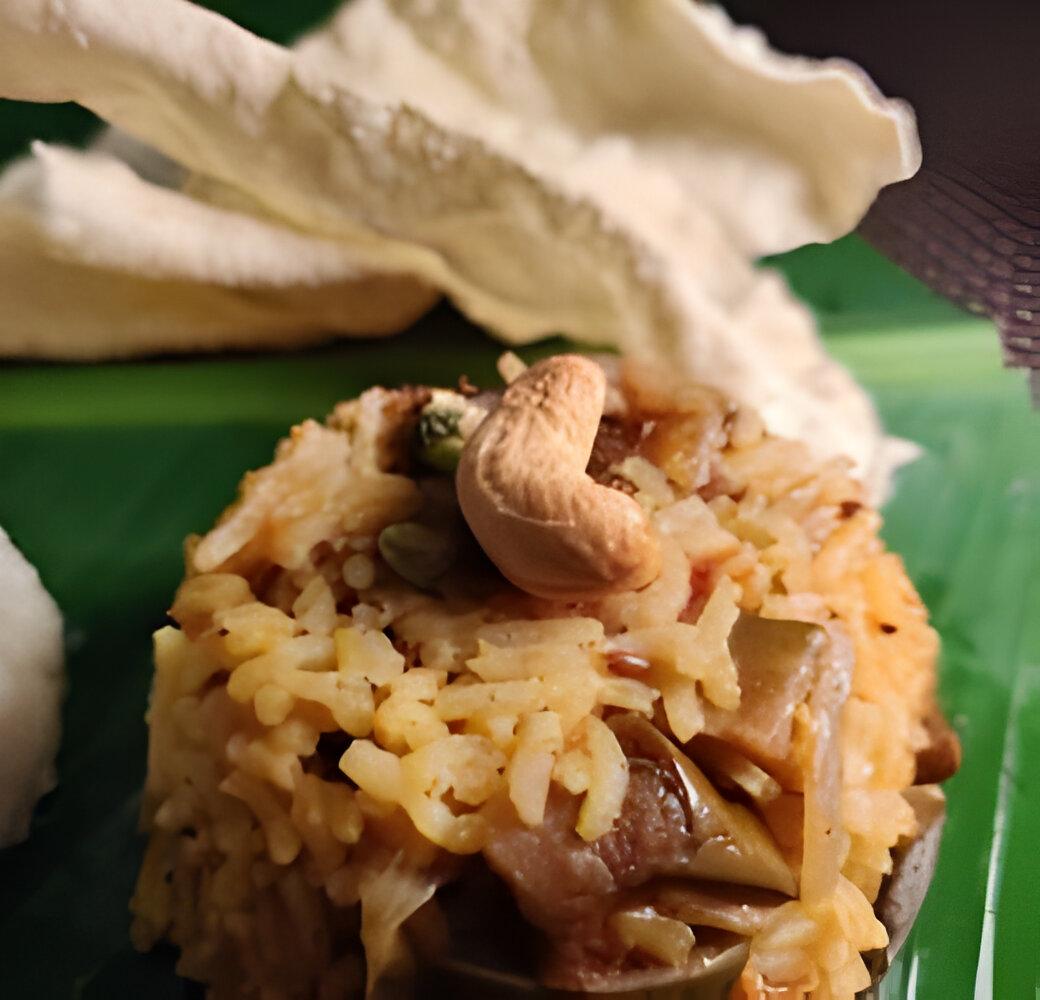
Vangibath, a beloved dish from Karnataka, India, is a flavorful rice preparation that combines the unique taste of eggplant (vangi) with aromatic spices. This dish, often served during special occasions and festivals, is a testament to the rich culinary heritage of South India. In this blog post, we'll delve into the history, ingredients, and step-by-step preparation of Vangibath, allowing you to bring a taste of Karnataka into your kitchen.
The History and Significance of Vangibath
Vangibath is deeply rooted in South Indian cuisine, particularly in Karnataka, where it is a popular choice for breakfast, lunch, or even as a lunchbox meal. The word "vangi" means eggplant or brinjal in Marathi, and "bath" refers to a rice-based dish. This culinary creation beautifully marries the humble eggplant with rice, spices, and a unique Vangibath powder, resulting in a dish that is both hearty and satisfying.
Ingredients
To make Vangibath, you'll need the following ingredients:
For the Vangibath Powder:
2 tablespoons chana dal (split Bengal gram)
1 tablespoon urad dal (split black gram)
2 tablespoons coriander seeds
4-5 dried red chilies
1 teaspoon cumin seeds
1 teaspoon black peppercorns
1/2 teaspoon fenugreek seeds
1/2 teaspoon mustard seeds
1/4 teaspoon asafoetida (hing)
A few curry leaves
2 tablespoons grated coconut (optional)
1 tablespoon oil
For the Vangibath:
1 cup rice, cooked and cooled
1 large eggplant, diced
1 onion, finely chopped
2 green chilies, slit
1 teaspoon ginger paste
1/2 teaspoon turmeric powder
1 teaspoon mustard seeds
1 teaspoon chana dal
1 teaspoon urad dal
A few curry leaves
2 tablespoons oil
Salt to taste
Fresh coriander leaves for garnish
Lemon wedges for serving
Instructions
Preparing the Vangibath Powder:
Roast the Ingredients:
In a pan, heat the oil over medium heat.
Add chana dal, urad dal, coriander seeds, dried red chilies, cumin seeds, black peppercorns, fenugreek seeds, mustard seeds, and curry leaves. Roast until the dals turn golden brown and the spices release their aroma.
Add asafoetida and grated coconut (if using). Mix well and roast for another minute.
Grind the Mixture:
Allow the roasted ingredients to cool.
Grind them into a fine powder using a spice grinder or blender. Store the Vangibath powder in an airtight container for future use.
Preparing the Vangibath:
Cook the Eggplant:
In a large pan, heat the oil over medium heat.
Add mustard seeds and let them splutter.
Add chana dal, urad dal, and curry leaves. Sauté until the dals turn golden brown.
Add the chopped onions and green chilies. Sauté until the onions become translucent.
Add ginger paste and turmeric powder. Sauté for another minute.
Add the diced eggplant and cook until they are soft and tender.
Combine Ingredients:
Add the prepared Vangibath powder to the cooked eggplant mixture. Mix well to ensure the spices coat the eggplant evenly.
Add the cooked rice and salt to taste. Gently mix until the rice is well combined with the eggplant and spices. Be careful not to break the rice grains.
Finish and Serve:
Garnish with fresh coriander leaves.
Serve the Vangibath hot with a side of raita or plain yogurt, and lemon wedges.
Conclusion
Vangibath is a delightful dish that brings together the robust flavors of eggplant and a unique blend of spices. This easy-to-make recipe is perfect for anyone looking to explore the rich culinary traditions of South India. Whether you're preparing it for a festive occasion or a simple meal at home, Vangibath is sure to impress with its aromatic and flavorful profile. Give this recipe a try and enjoy a taste of Karnataka's culinary heritage!
Categories
-
 Milk
1
Milk
1
-
 Clothing
1
Clothing
1
-
 Toys
0
Toys
0
-
 Baking material
3
Baking material
3
-
 Fresh Fruit
3
Fresh Fruit
3
-
 Fresh Seafood
1
Fresh Seafood
1
-
 Fast food
1
Fast food
1
-
 Vegetables
1
Vegetables
1
-
 Bread and Juice
2
Bread and Juice
2
-
 Cake
1
Cake
1
Trending Now